
Chinese Winter Solstice Festival or Dongzhi is one of the most celebrated festivals in China.
In Chinese, Dongzhi roughly translates to ‘winter’s extreme’ or ‘winter’s arrival. The festival celebrates the start of winter, with the date marking the turning point on the calendar where the days that follow start to get longer as the nights get shorter.
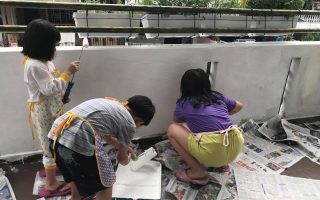
Every year of this day, children are happy and looking forward to making and eating TangYuan 汤圆. Everyone is gathering at the round table that we have at most Chinese homes together with mother and grandmothers to make Tang Yuan. Big size, small size, red colour, yellow colour, mix colour, mickey mouse shape etc…..There are a lot of fun memories on this day, year after year, generation after generation.
Falling on the shortest day and the longest night of the year (either December 21 or 22), the Winter Solstice festival or Dongzhi Festival (冬至, Dōngzhì) is commonly regarded to be one of the most important Chinese festivals, and like most other Chinese festivals, is a time for families to get together, worship their ancestors, and feast on an array of traditional delicacies.
The Winter Solstice Festival has its origins in the Chinese concept of yin and yang, an ancient symbol of harmony and balance. In Chinese culture, there is a belief that when the days are short, there is insufficient Yang energy, which is why during Dongzhi we try to consume foods that are more yang (warm) in nature to counteract the yin (cold) of winter, such as tangyuan. Other popular dishes during this time include mutton hotpot, babao porridge (also called eight-treasure porridge), and jiaozi (dumplings).
The festival has been celebrated for over 2,000 years and usually revolves around the practice of families coming together to make and eat tangyuan (glutinous rice balls), which are symbols of reunion and prosperity. On this day, mothers will busy preparing the big family reunion meal.
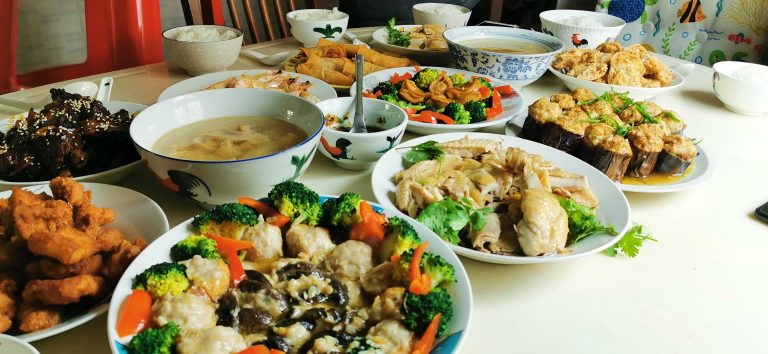
Falling on the shortest day and the longest night of the year (either December 21 or 22), the Winter Solstice festival or Dongzhi Festival (冬至, Dōngzhì) is commonly regarded to be one of the most important Chinese festivals, and like most other Chinese festivals, is a time for families to get together, worship their ancestors, and feast on an array of traditional delicacies.
The Winter Solstice Festival has its origins in the Chinese concept of yin and yang, an ancient symbol of harmony and balance. In Chinese culture, there is a belief that when the days are short, there is insufficient Yang energy, which is why during Dongzhi we try to consume foods that are more yang (warm) in nature to counteract the yin (cold) of winter, such as tangyuan. Other popular dishes during this time include mutton hotpot, babao porridge (also called eight-treasure porridge), and jiaozi (dumplings).
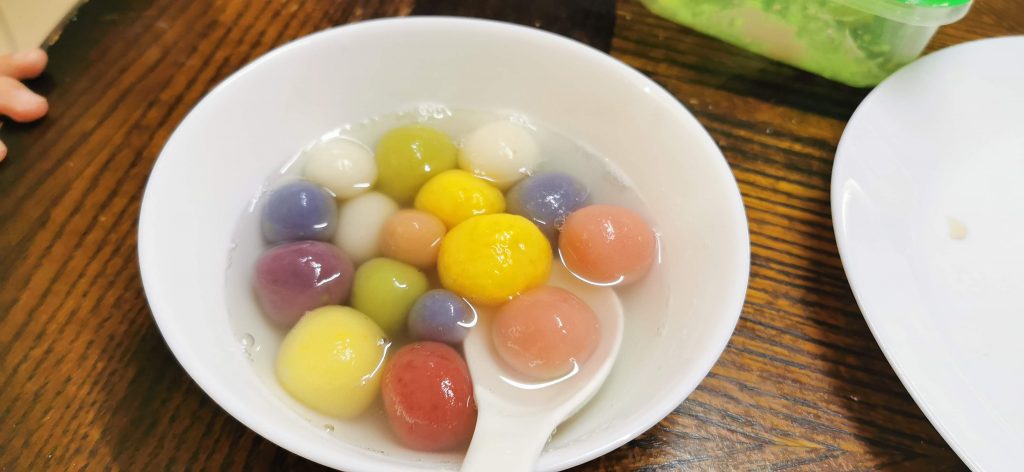
For most Chinese families, this day is a memorable childhood every year and every generation.
My Korean and Japanese students told me that there celebrating this DongZhi. Amazing sharing.
So, wherever you may be celebrating Dongzhi, we wish you and your loved ones a warm and loving Winter Solstice this year!
Learn about Chinese Symbol- Round Table.
It was, it is, and always be…Round Table.